Essential Pregnancy Blood Tests by Trimester: What to Expect

Why Laboratory Screenings Are Vital
While ultrasound scans capture anatomical development, laboratory blood and urine evaluations monitor maternal physiological adaptation, organ function, and potential infectious exposures. Early detection allows timely clinical intervention.
First Trimester Routine Blood Work (Weeks 6–12)
- Blood Group & Rh Typing: Identifies Rh negative status, which requires anti-D immunoglobulin prophylaxis if the father is Rh positive.
- Complete Blood Count (CBC): Establishes baseline haemoglobin, white blood cell count, and platelet levels.
- Infectious Disease Serology: Routine screening for HIV, Hepatitis B (HBsAg), Hepatitis C, and VDRL/Syphilis.
- Thyroid Stimulating Hormone (TSH): Maternal thyroid status is monitored to prevent hypothyroid-related developmental risks.
- Routine Urine Examination & Culture: Asymptomatic bacteriuria is common in pregnancy and must be treated to prevent acute pyelonephritis.
Second Trimester Screenings (Weeks 14–28)
- Quadruple Marker Test: Offered between weeks 15 and 20 if the first-trimester combined screening was missed.
- Oral Glucose Tolerance Test (OGTT): Evaluates maternal insulin sensitivity between weeks 24 and 28.
- Repeat Haemoglobin: Checks for developing nutritional iron deficiency.
Third Trimester Testing (Weeks 28–40)
- Repeat CBC and Coagulation Profile: Pre-delivery checks to ensure platelet counts and clotting times are optimal for birth.
- Group B Streptococcus (GBS) Swab: Screening at weeks 35–37 to detect bacteria that could be transmitted during vaginal delivery.
More in Scans & Tests

Pregnancy Scan Schedule in India: Dating, NT, TIFFA & Growth Scans
A complete trimester-by-trimester timeline of ultrasound scans and prenatal screenings recommended by obstetricians in India. Know what each scan checks.
Preconception Health Checklist: Essential Steps Before Getting Pregnant
Planning for a baby starts well before conception. Here is an essential medical checklist covering folic acid, blood tests, dental care, and lifestyle changes for Indian couples.
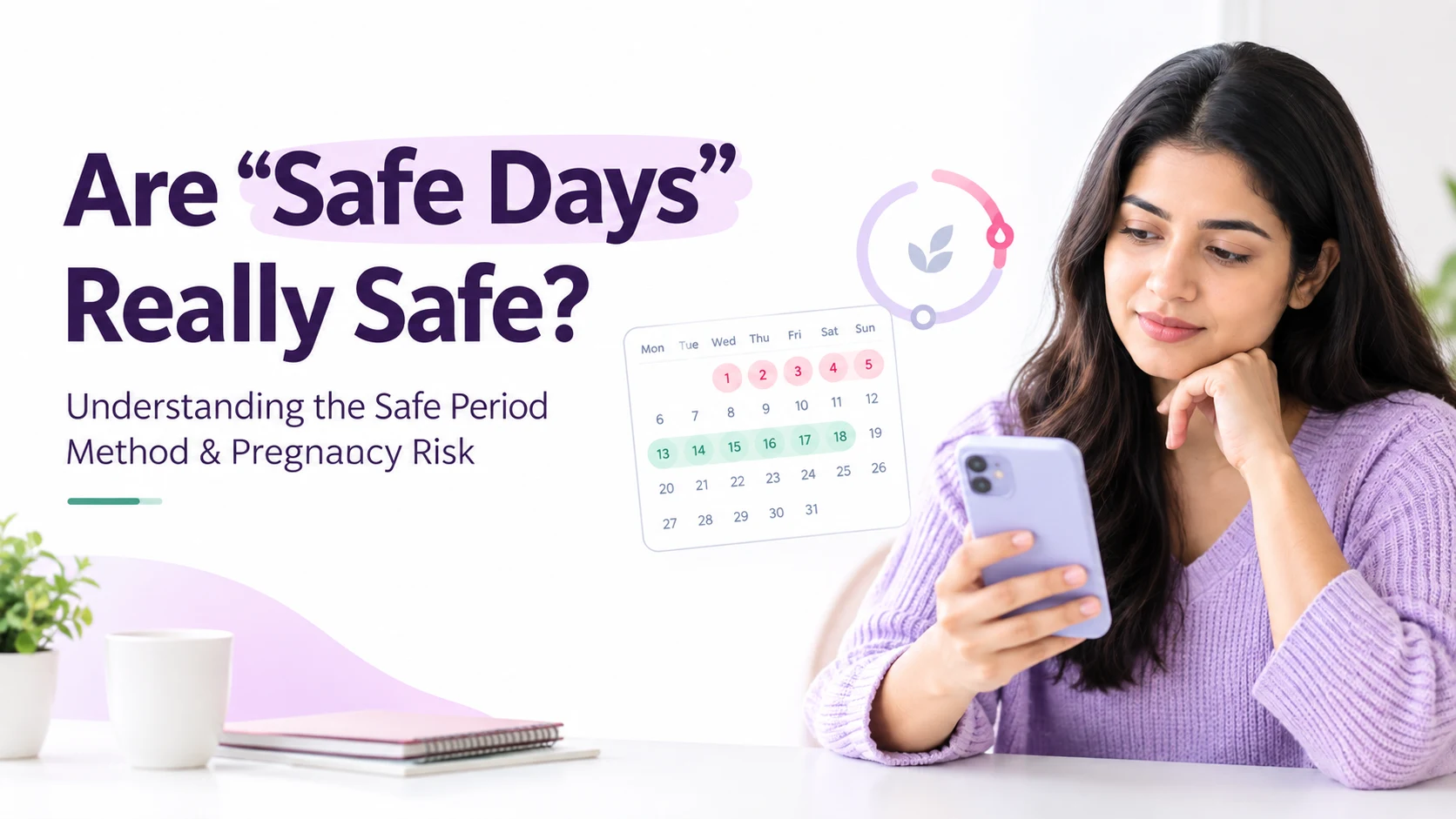
When to Take a Pregnancy Test for Accurate Results
Wondering if you are pregnant? Understand the science of hCG hormones, the best time of day to test, how to avoid false negatives, and early symptoms to look for.
Download MiGynae – Your Pregnancy Care Companion
Track baby kicks, time contractions, access personalized Indian nutrition charts, and get OBGYN-backed answers every day.